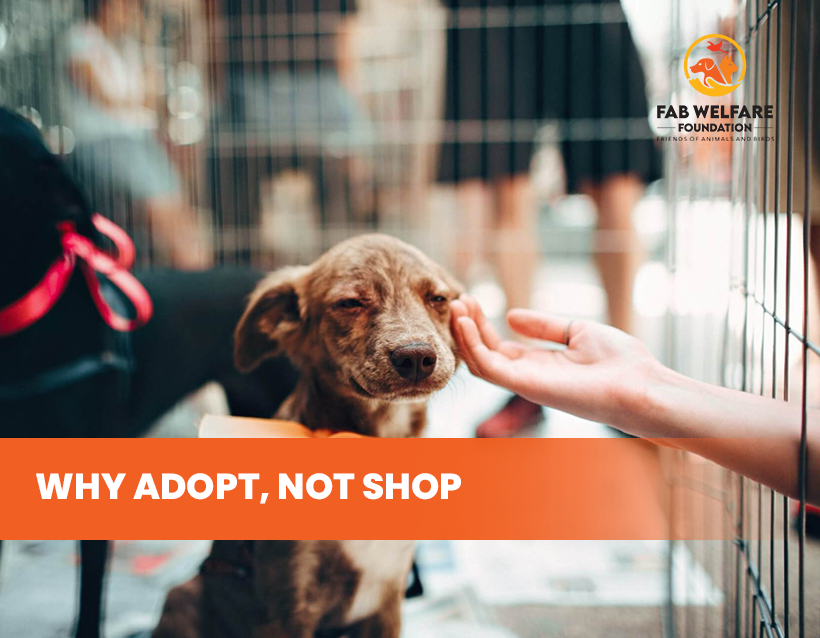
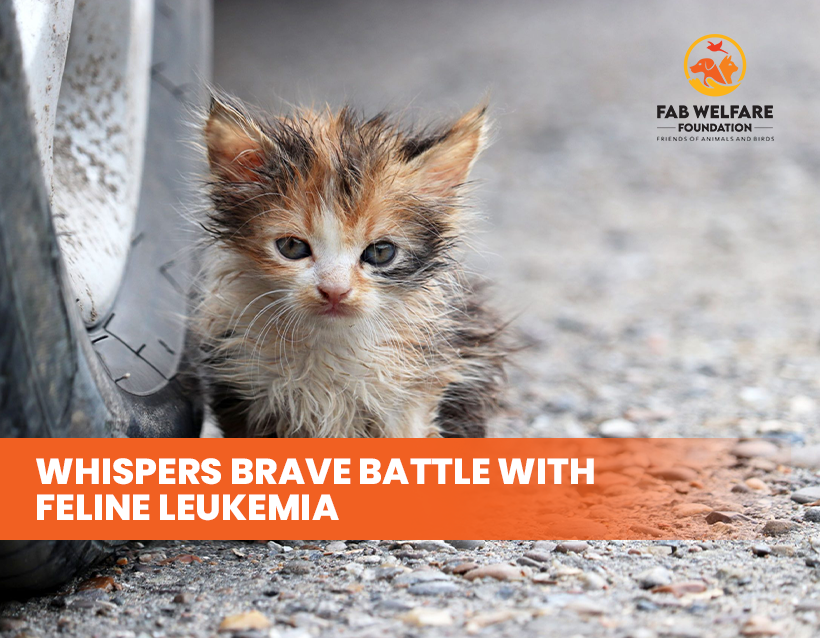
Have you seen injured pets, injured strays, or injured cattle? Have you felt that sense of unease when you see shrivelled animals in a circus? Have you heard of endangered animals hunted for their horns or hide? These are all examples of Animal Abuse.
Animal abuse is when animals suffer due to harm or neglect. The sheer number of animal abuse cases that go unnoticed worldwide is staggering, with a lack of systematic reporting of animal abuse cases and most certainly unsatisfactory consequences for perpetrators of the crimes.
What can we as a society do to improve the living conditions of animals?
Recognize Animal Abuse
A pet or animal in the care of its owner is deserving of basic needs and humane behaviour. Society should be aware of the following conditions and situations that qualify as animal abuse:
(a) Neglect: When animals are neglected and not provided food, water, and shelter.
(b) Direct Abuse: When animals are beaten or have objects thrown at or dragged by their leash or tethers or tail.
(c) Abandonment: When animals are abandoned because they are sick, injured, or old.
(d) Hoarding: When too many animals are kept in a limited space without being provided adequate nutrition, shelter, sanitation, or veterinary care.
(e) Organized cruelty: When animal fights are encouraged.
Animal Abuse affects society too.
Animal abuse is not necessarily a rural or urban issue but is prevalent everywhere across the world and in India as well.
Animal neglect can be brought upon due to financial circumstances.
Repeated direct physical abuse on animals, on the other hand, can be caused by individuals with deeper issues and violent traits that can spill into their family, and society as well.
Abandonment of pets creates an unhealthy public menace and far too often grounds for disease propagation.
Organized animal abuse may also be accompanied by gambling, drugs, and other such societal evils.
As shown in each case above, animal abuse does not necessarily only affect the animal but the entire society at large.
Indian Laws on Animal Abuse
The Constitution of India 1960 makes it the “duty of every citizen of India to protect and improve the natural environment, including forests, lakes, rivers and wildlife, and to have compassion for all living creatures.” The basic cruelty law of India is contained in the Prevention of Cruelty to Animals Act 1960, the objective of the Act is to prevent the infliction of unnecessary pain or suffering on animals and to amend the laws relating to the prevention of cruelty to animals. The 42nd Amendment to the Indian Constitution in 1976 was a progressive step towards laying the groundwork for animal protection in India, resulting in the enactment of animal protection legislation both at the central and state levels.
There is however a long way to go in providing animal protection in enacting and enforcing these laws, but recognizing their presence itself is critical to make progress in stopping animal abuse.
How to make a difference
The origin of the word “humane” is from its Latin root of “homo” (meaning man) and it means to be marked by compassion, sympathy, or consideration for humans or animals. It may be as a pet, or as a farm worker, but every animal deserves humane behaviour at our hands. As a society, it is imperative to shape it in ways where animals have an honourable addition alongside us.
(a) Educate your family, your children, and your friends – Make them aware of how to behave humanely with animals.
(b) Support and donate to organizations that shelter animals, create awareness and advocate for stricter laws for serial animal abusers.
(c) Volunteer a portion of your time at NGOs and shelters that shelter animals, promote their adoption and create awareness.
(d) Report Animal Abuse, when it can be done in a safe manner.
Frequently Asked Questions (FAQs)
- Can only pets (dogs or cats) be abused by their owners?
Not necessarily! Cases have been seen where cattle employed by farms, horses or camels employed by businesses, and circus animals/birds have been subject to abuse by their owners.
- Can I volunteer at shelters or foster pets? I do not have any prior experience.
Of course, you can! The only qualification needed is being able to show your care and affection towards animals/pets
- Why is it my responsibility?
Being in a humane society, at the very least, we can all be aware of the issues even if we all don’t have the means to help.
- I am not able to adopt a pet, how can I still help?
You can volunteer at organizations that prevent animal abuse and care for animals. You can donate to such organizations, in any measure that you can help with.
Looking to the Future
Mahatma Gandhi said, “The greatness of a nation and its moral progress can be judged by the way its animals are treated. I hold that the more helpless a creature, the more entitled it is to protection by man from the cruelty of man.” Things are slowly changing in India as well. Several organizations are working to create awareness in society, working to improve animal conditions in farms, making the police aware of cases of animal brutality, and so on.
Movie organizations, farms, military all use animals for various needs, and a broader humane outlook is being promoted slowly but surely. Many people are open to keeping a pet and taking care of it. Attitudes towards animal welfare are gradually changing and that is a step in the right direction!